Comprehending Worldwide Migration: Trends, Challenges, and Prospects in a Shifting World
Worldwide migration stays a crucial matter in our present-day interdependent world. Various factors drive individuals to search for better chances beyond their borders. While host countries often reap economic benefits from migrant populations, these individuals often face significant obstacles. Understanding the complexities of migration requires careful consideration of historical contexts, current challenges, and emerging trends. What implications do these dynamics present to both migrants and the societies they join?
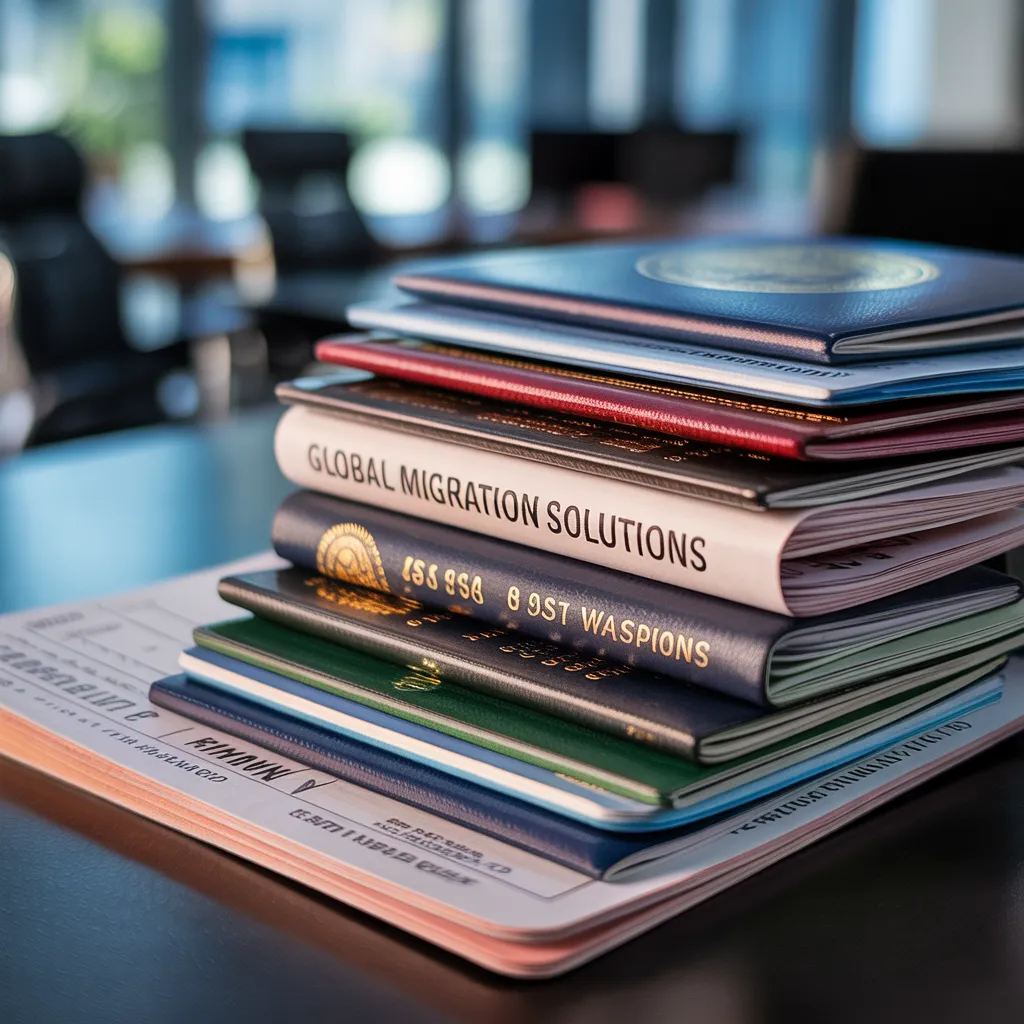
Historical Context of Global Migration
As migration has shaped human societies for millennia, understanding its historical context reveals the complicated interplay of factors that have compelled people to relocate. From ancient nomadic tribes pursuing fertile lands to the establishment of trade routes, migration has been fundamental to cultural exchange and economic development. The movement of peoples during pivotal historical events, such as the fall of empires, the spread of religions, and colonial expansions, illustrates the adaptive nature of humans in response to changing environments and opportunities. The transatlantic slave trade, for instance, not only devastated lives but also altered demographics and economies on both sides of the ocean. In more recent history, conflicts, environmental changes, and globalization have persisted to influence migration patterns. Each wave of migration has left an lasting mark, adding to the rich tapestry of cultural identities that shape contemporary societies around the globe.
Key Drivers of Migration
Although many elements influence migration, primary drivers typically arise from a combination of economic, social, political, and environmental conditions. Economic opportunities represent a principal catalyst, as individuals look for better jobs, higher wages, and improved living standards. Social factors, including family reunification and the desire for education, also play significant roles. Political instability, conflict, and persecution can force people to flee their home countries read more in search of safety and security. Moreover, environmental challenges, such as climate change, natural disasters, and resource scarcity, increasingly fuel migration as communities become uninhabitable. These interconnected drivers create complex migration patterns, influencing the demographics and dynamics of both origin and destination countries. Understanding these drivers is critical for addressing the multifaceted nature of migration and developing effective policies to manage its implications globally.
The Impact of Migration on Host Countries
Migration considerably affects host states, especially through the financial contributions of migrants. While they often fill labor shortages and stimulate expansion, the integration of diverse populations introduces significant social challenges. Understanding these dynamics is vital for developing effective policies that capture benefits while addressing integration issues.
Financial Impact of Migrants
Millions of migrants have markedly influenced the economies of host nations, frequently filling vital labor shortages and contributing to economic growth. Their presence can stimulate various sectors, including agriculture, construction, and healthcare, where local labor may be insufficient. Migrants regularly bring varied skills and experiences, improving innovation and productivity within the workforce. Additionally, they contribute to public finances through taxes and consumption, reinforcing local economies. Small businesses commonly benefit from the entrepreneurial spirit of migrants, who create jobs and drive demand for goods and services. In summary, the economic contributions of migrants not only support immediate labor needs but also foster long-term economic resilience and competitiveness in host nations, demonstrating their integral role in shaping modern economies.
Social Integration Obstacles
Although migration can strengthen host societies in cultural and economic terms, it also brings notable social integration challenges. Host countries often contend with language barriers, which can hinder communication and reduce access to crucial services. Moreover, cultural differences may result in misunderstandings and social tensions, fostering an environment of xenophobia or discrimination. This can result in the marginalization of migrant communities, restricting their ability to participate fully in society. Economic disparities can additionally exacerbate tensions, as native populations may perceive migrants as competition for jobs and resources. Well-designed integration policies are crucial to tackle these obstacles, fostering inclusivity and fostering understanding. Finally, successful social integration serves both migrants and host communities, forming a increasingly cohesive and resilient society.
Challenges Faced by Migrants
When people pursue improved prospects and security, they commonly meet a multitude of obstacles that complicate their journeys. Economic hardships can be a substantial hurdle, with countless migrants confronting joblessness or insufficient employment in their receiving countries. Language barriers further exacerbate these difficulties, obstructing interaction and availability of vital services. Additionally, legal obstacles, like complicated immigration processes and absence of proper papers, can leave migrants vulnerable to abuse and prejudice.
Another challenge is social isolation, as migrants may have difficulty establishing bonds in unknown settings. Cultural differences can lead to misunderstandings and add to feelings of alienation. Psychological concerns, stemming from trauma or the stress of displacement, regularly stay unaddressed due to insufficient resources or social stigma. Combined, these challenges highlight the complicated terrain migrants must maneuver through, emphasizing the need for extensive support mechanisms to encourage their integration and quality of life in new communities.
Policy Structures and Humanitarian Response Initiatives
Understanding the pressing necessities of migrants, humanitarian initiatives and policy frameworks have advanced to address the complexities of global migration. These frameworks are developed to preserve the rights and dignity of migrants while guaranteeing their access to essential services. Governments and international organizations collaborate to develop policies that promote safe and orderly migration, stressing the significance of human rights and humanitarian principles.
Humanitarian initiatives frequently involve prompt relief, such as food, shelter, and medical care, as well as long-term assistance focused on integration and resettlement. Multiple international agreements, like the Global Compact for Safe, Orderly and Regular Migration, supply guidelines for countries to bolster their response capacities. Furthermore, civil society organizations serve a significant role in promoting migrant rights and offering on-the-ground support. Ultimately, successful humanitarian responses and strong policy frameworks are crucial in alleviating the challenges confronting migrants in an increasingly interconnected world.
Technology's Influence on Migration
Technology plays an essential role in shaping migration patterns and experiences. Digital platforms enable the connection between migrants and resources, while communication tools enhance access to information and support networks. Additionally, data analytics provide insights into migration trends, shaping policies and responses.
Digital Platforms for Migration
A substantial amount of migrants presently leverage digital platforms to navigate their journeys, changing the migration landscape. These platforms serve as critical resources, delivering information on routes, legal requirements, and available services. They enable connections between migrants and local communities, enhancing support networks and cultivating integration. Besides, online job boards and housing platforms empower migrants to access work possibilities and accommodation options more easily. Social media also performs a crucial role in sharing experiences and advice, arming migrants with useful insights from those who have successfully completed similar paths. Overall, digital platforms not only streamline the migration process but also promote a sense of community and shared purpose among migrants worldwide, substantially shaping their experiences and outcomes.
Communication Systems' Significance
Digital communication platforms have fundamentally changed the way migrants maintain contact with loved ones and assistance networks during their migration experiences. The advent of smartphones and social media platforms has made immediate interaction achievable, permitting migrants to share their experiences and obtain support in real-time. Tools such as WhatsApp, Facebook, and Skype support ongoing relationships, providing emotional support and reducing feelings of isolation. Furthermore, these tools allow migrants to access crucial information concerning their rights, job prospects, and legal resources in their host countries. Online communities also foster a sense of connection and mutual support among migrants from similar backgrounds, improving their adaptation process. Overall, technology plays a vital role in empowering migrants, helping them handle the complexities of their new environments more effectively.
Migration Data Analytics
The integration of data analytics into migration processes has greatly enhanced the understanding of migration patterns and trends. By examining vast amounts of data from diverse sources, including social media, immigration records, and economic indicators, researchers and policymakers can pinpoint factors influencing migration decisions. This analytical approach facilitates the forecasting of migration flows, assisting in forecasting potential challenges and opportunities. Moreover, data analytics promotes more effective resource allocation by identifying areas in need of support or intervention. Additionally, technology-driven platforms allow real-time monitoring of migration dynamics, fostering timely responses to emerging issues. Overall, the application of data analytics provides an all-encompassing framework for addressing the complexities of global migration in an increasingly interconnected world.
Emerging Patterns in International Migration
As climate change intensifies and geopolitical tensions rise, future trends in global migration are expected to shift dramatically. Analysts predict a rise in environmentally displaced populations as elevated ocean levels, severe climatic phenomena, and depleting resources push communities to resettle. Regions such as Sub-Saharan Africa and South Asia may experience increased emigration, aggravated by economic instability and political unrest.
Additionally, urbanization patterns will likely bring about significant migration flows to megacities, which can offer superior opportunities regardless of potential strain and overcrowding on infrastructure.
Furthermore, migration policies might become increasingly restrictive in response to security concerns, influencing the movement of individuals searching for asylum or economic possibilities.
Lastly, technology will serve a pivotal function in shaping future migration patterns, with advancements supporting remote work and virtual connections, possibly reducing the requirement for physical relocation. Together, these factors will transform the landscape of global migration in the forthcoming decades.
Popular Questions
How Is Climate Change Shaping Global Migration Patterns?
Climate change significantly impacts global migration patterns by producing environmental degradation, resource scarcity, and extreme weather events. These factors drive individuals and communities to relocate in search of safer and more viable living conditions and opportunities.
How Do Remittances Impact Migrants' Home Countries?
Financial transfers considerably reinforce migrants' countries of origin by offering crucial financial support. These resources boost household income, invigorate local economies, and help with poverty relief, therefore facilitating development and elevating living standards for relatives remaining at home.
How Might Local Communities Support Incoming Migrants?
Neighborhood communities are able to support new migrants by fostering inclusive environments, delivering access to educational resources and employment opportunities, offering language assistance, encouraging cultural exchange, and forming networks that facilitate integration and social cohesion across the community.
What Are the Mental Health Effects of Migration on People?
The migration process may result in diverse psychological effects on people, including anxious feelings, depression, and struggles regarding personal identity. Furthermore, feelings of social isolation or cultural displacement might occur, compromising overall mental well-being and social integration within new communities.
How Do Cultural Exchanges Occur Between Migrants and Host Societies?
Cultural interactions between migrants and host societies happen through common traditions, culinary practices, language learning, and social interactions. Such exchanges foster mutual understanding, enhance cultural diversity, and contribute to the social fabric of communities.